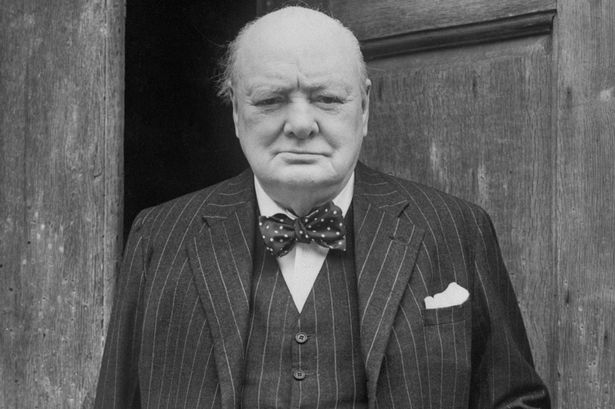
Biography
Winston Churchill, in full Sir Winston Leonard Spencer Churchill, was born on November 30, 1874, Blenheim Palace, Oxfordshire, England—died January 24, 1965, London, He's British statesman, orator, and author who as prime minister (1940–45, 1951–55) rallied the British people during World War II and led his country from the brink of defeat to victory.After a sensational rise to prominence in national politics before World War I, Churchill acquired a reputation for erratic judgment in the war itself and in the decade that followed. Politically suspect in consequence, he was a lonely figure until his response to Adolf Hitler’s challenge brought him to leadership of a national coalition in 1940. With Franklin D. Roosevelt and Joseph Stalin he then shaped Allied strategy in World War II, and after the breakdown of the alliance he alerted the West to the expansionist threat of the Soviet Union. He led the Conservative Party back to office in 1951 and remained prime minister until 1955, when ill health forced his resignation.
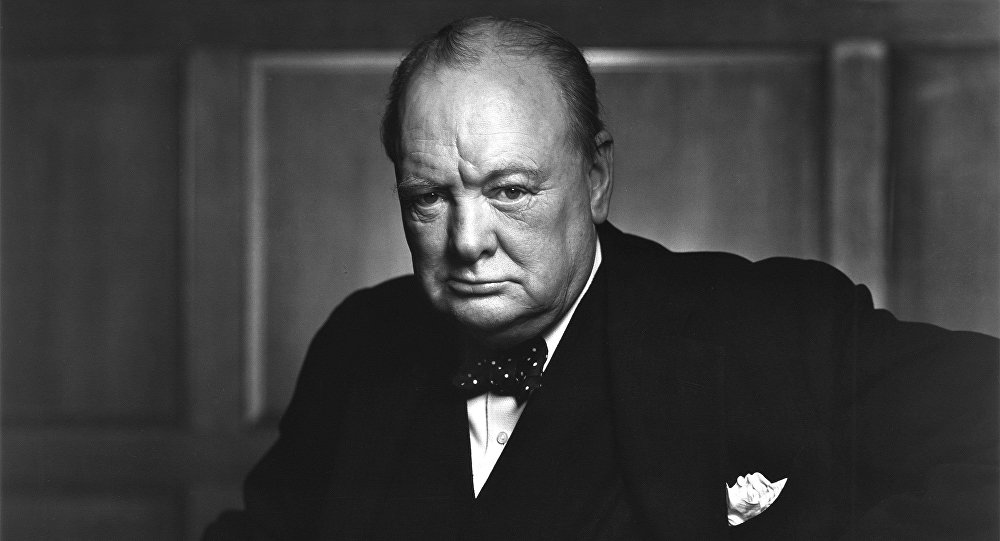
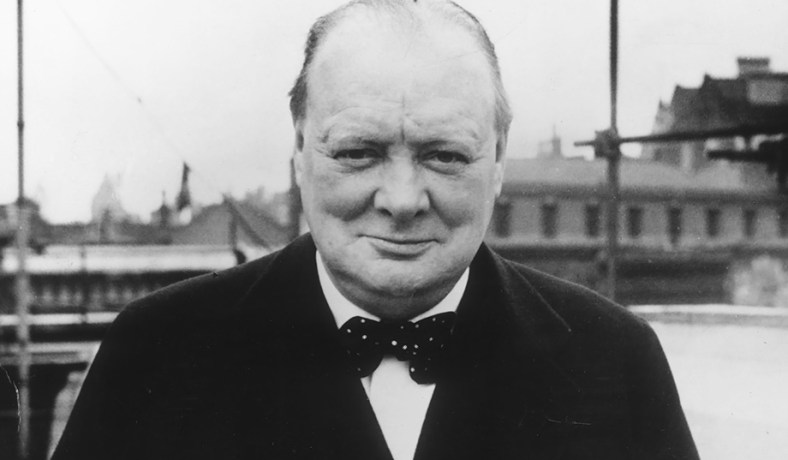
In Churchill’s veins ran the blood of both of the English-speaking peoples whose unity, in peace and war, it was to be a constant purpose of his to promote. Through his father, Lord Randolph Churchill, the meteoric Tory politician, he was directly descended from John Churchill, 1st duke of Marlborough, the hero of the wars against Louis XIV of France in the early 18th century. His mother, Jennie Jerome, a noted beauty, was the daughter of a New York financier and horse racing enthusiast, Leonard W. Jerome.The young Churchill passed an unhappy and sadly neglected childhood, redeemed only by the affection of Mrs. Everest, his devoted nurse. At Harrow his conspicuously poor academic record seemingly justified his father’s decision to enter him into an army career. It was only at the third attempt that he managed to pass the entrance examination to the Royal Military College, now Academy, Sandhurst, but, once there, he applied himself seriously and passed out (graduated) 20th in a class of 130. In 1895, the year of his father’s tragic death, he entered the 4th Hussars. Initially the only prospect of action was in Cuba, where he spent a couple of months of leave reporting the Cuban war of independence from Spain for the Daily Graphic (London). In 1896 his regiment went to India, where he saw service as both soldier and journalist on the North-West Frontier (1897). Expanded as The Story of the Malakand Field Force (1898), his dispatches attracted such wide attention as to launch him on the career of authorship that he intermittently pursued throughout his life. In 1897–98 he wrote Savrola (1900), a Ruritanian romance, and got himself attached to Lord Kitchener’s Nile expeditionary force in the same dual role of soldier and correspondent. The River War (1899) brilliantly describes the campaign.
Video