Technology


Technologies developed during WW II

The Second World War changed the world


Saying that World War II completely changed the world always sounds like either a massive understatement or a trivialisation of the entire conflict; but, the simple fact is that the war really did change everything, including ushering in a new technological age. As we approach the 70th anniversary of the end of the war, the staggering truth is that the conflict continues to have an impact on the way that we live, and in more ways that you may expect. One of the most incredible things is that so many of our 'modern' inventions and, thus, way of life, have their direct origins in the war. As well as being a terrible period showcasing the worst of the human race, it pushed and developed inventions at a rate that has never been equalled.While the inventions and technological improvements of this war can never be justified against the appalling loss of life, World War II completely shaped the technological world that we live in now. Without this conflict, we simply would not have access to the wide range of technology that we use on a daily basis. With the war encompassing vast chunks of the globe, the stakes were incredibly high. It's against this backdrop that governments put vast sums of money into the research and development of technology to help them win the war. World War II saw projects being green lit that in peacetime wouldn’t have gotten off the ground. It also made people think in a completely different way, coming up with inventions that simply wouldn't have happened at the same pace in peace time.
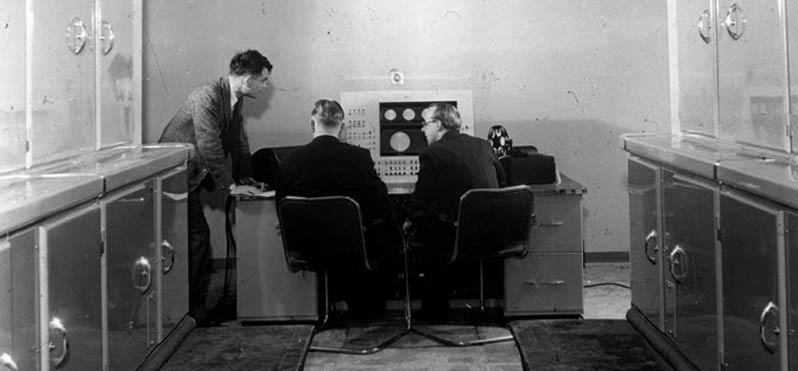
While the ultimate aim of any research was to find better ways of destroying the enemy, post-war lots of inventions have proved just as effective at improving lives. To give just a quick preview of what's to come, jet engines, computers, navigation systems, microwave ovens and the technology to put man on the moon all came from technology invented or rapidly improved upon during the war.It's this that we're looking at in this feature, as we examine how technology used during the war has developed over the 70 years since it began. From this feature you'll see how this period has seen the biggest technological leap forward that the world has ever seen, shaping the lives that we all live today.
The Jerrycan


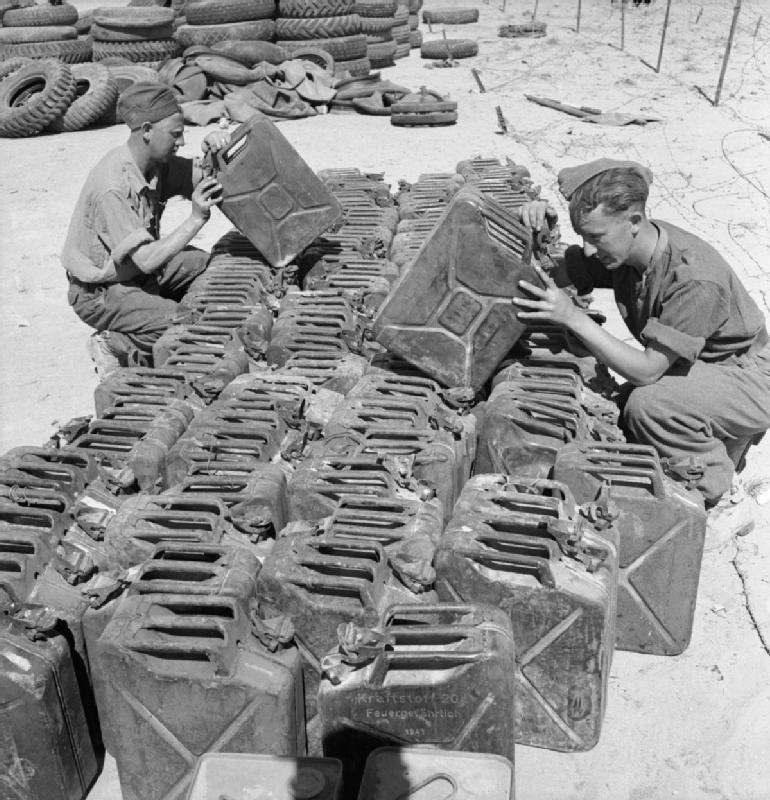
Called the Wehrmachtskanister by the Germans, the Jerrycan is a robust container designed for carrying fuel around. It was invented at the bequest of Hitler to provide a way of transporting fuel by hand. The clever design was reverse engineered by the Allies and put into service to replace their existing canisters, which were easy to puncture. The Jerrycan is clever for several reasons. First, it has three handles, which lets a can be carried by one person or two people easily, plus passed along a human chain like a bucket full of water for putting out a fire. When empty, the three handles means two cans can be placed side-by-side and one person can carry two Jerrycans in each hand. The cross design on the side helps strengthen the can, while allowing the contents to expand. There was also an air pocket under the handles. A cam lever release mechanism and short spout with an air-pipe to the air pocket allows smooth and accurate pouring on the contents.

Pressurised cabins


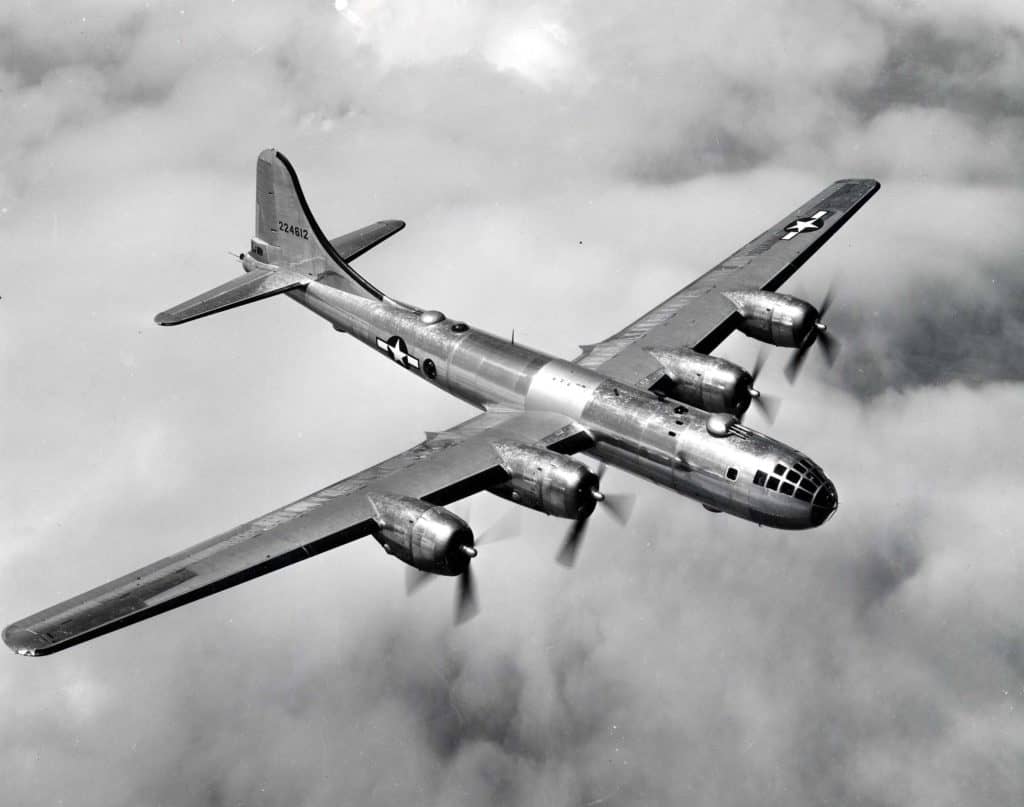
Flying at high altitude puts occupants of an aircraft at risk of hypoxia (poor oxygen levels in the blood), altitude sickness, decompression sickness and barotrauma (cause by pressure differences). Despite these risks, bombers at the start of WWII were only equipped with oxygen masks, which restricted movement and were prone to failure. Until the B-29 Superfortress was introduced in 1944, only experimental aircraft had been produced with pressurized cabins. For this plane, the Americans created the first cabin pressure system, with the nose and cockpit sections linked to the aft via a long tunnel, all pressurised. However, the bomb bays remained unpressurised. Even so, this advancement meant the crew could move around in comparative comfort. After the war, the benefits of pressurised cabins were rolled out to passenger planes, allowing us all to fly at high altitudes in relative comfort.

Radio navigation


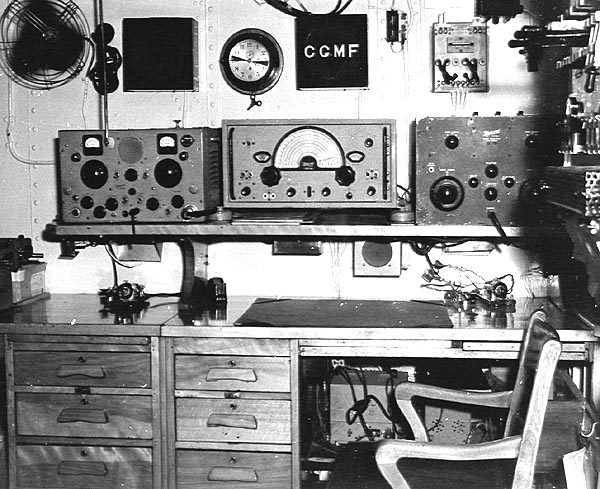
When the war started the aeroplane was relatively new as an instrument of war. How to wield it effectively meant a steep learning curve and some of the greatest inventions that affect how we fly around the world today. Much emphasis, in the UK, was placed on Bomber Command, particularly because in the early part of the war it was the only part of the British armed forces capable of striking back at Germany. It gave the nation hope at a time when there was little. For this, there was a high price to pay and the chances of a bomber command serviceman surviving the war was less than that of an infantryman in WWI. Of the 125,000 British aircrew who served, a staggering 55,573 were killed in action.One of the most pressing problems was getting planes to and from the target safely, while increasing accuracy. At the start of the war there were no navigation systems and many bomber crews were wildly off target, completely missing the areas that they were supposed to be attacking. This was made even harder by Bomber Command's decision to fly night time sorties only, under the thought that it was safer than flying daytime raids.In order to help the crews, several navigation systems were created. For accurate blind bombing, the systems Oboe and Gee-H (radio-based systems) were used, although these could only be used by a very number of planes at once. This limited them to being used by the pathfinder force, which used dedicated planes to drop targeting flares in order to improve accuracy for the rest of the bombers....For everyone else, GEE came into play. GEE was a radio navigation system invented by Robert Dippy, designed to be used by multiple planes. The system worked using three broadcast base stations, sending out transmissions at regular intervals. A master station sent out a single pulse, then the first slave sent out a single pulse one millisecond later, followed 1ms later by the master sending out a double pulse, and finally the second slave sent out a single pulse 1ms later. The entire system repeated every 4ms.Receiving equipment on board the plane displayed the pulses from the three stations as blips on an oscilloscope. As the time between the pulses was strictly regimented, the display equipment would give the difference in time between the reception of each pulse, and thus the distance from each station. Hyperbolae charts helped the navigator plot the plane's position. Each hyperbolic line showed a constant time difference for the master and slave stations. Using this, the navigator could look for the intersection of the two hyberbolae representing the slave stations to work out the position.With a range of around 400 miles (accuracy was within a mile at long range over Germany), the system wasn't accurate enough to be used for blind bombing, but it was enough to set the bomber stream in the right direction and get the planes into enemy territory, where they'd be able to find the targeting flares dropped by the pathfinders.Part of the beauty of the system was that it didn’t require the bombers to carry any broadcast equipment - unlike Oboe and Gee-H - which meant that the Germans couldn't detect the bombers using detection equipment. Nor could the Germans use the signals to work out where the attack was going to come.After the war Dippy moved to the US, where he worked on the successor system, LORAN (LOng RAnge Navigation), which had a range of 1,200 miles. This radio based navigation system was used around the world in conjunction with VOR beacon-based navigation and has only recently been phased out due the popularity and increased accuracy of GPS. However, there are campaigns to get funding back into the LORAN system, so that it can be used as a backup should GPS fail. From Bomber Command's desire to strike back at Germany came the very first radio navigation system and the start of modern accurate direction finding.

Video

Penicilin


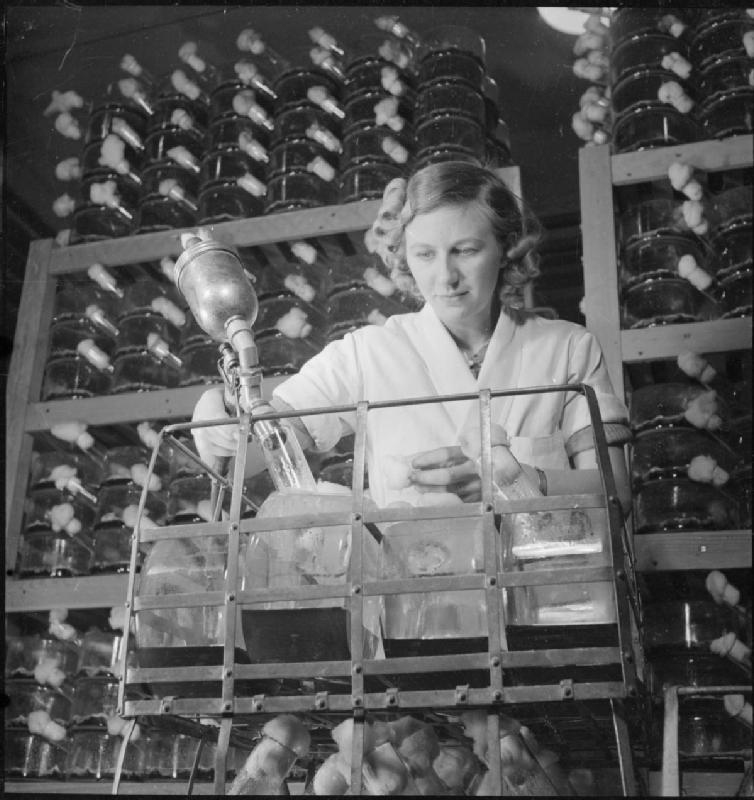
Discovered by Alexander Fleming in 1928, it wasn't until 1939 that Howard Florey and a team of researchers showed the potential of penicillin; and it was during the war that the antibiotic gained its popularity. In 1943 the US War Production Board came up with a plan for the mass distribution of penicillin to Allied troops fighting in Europe. By 1944, the US had produced 2.3 million doses and the medicine is credited with saving an estimated 12 to 15 per cent of casualties.

The first computer - Colossus


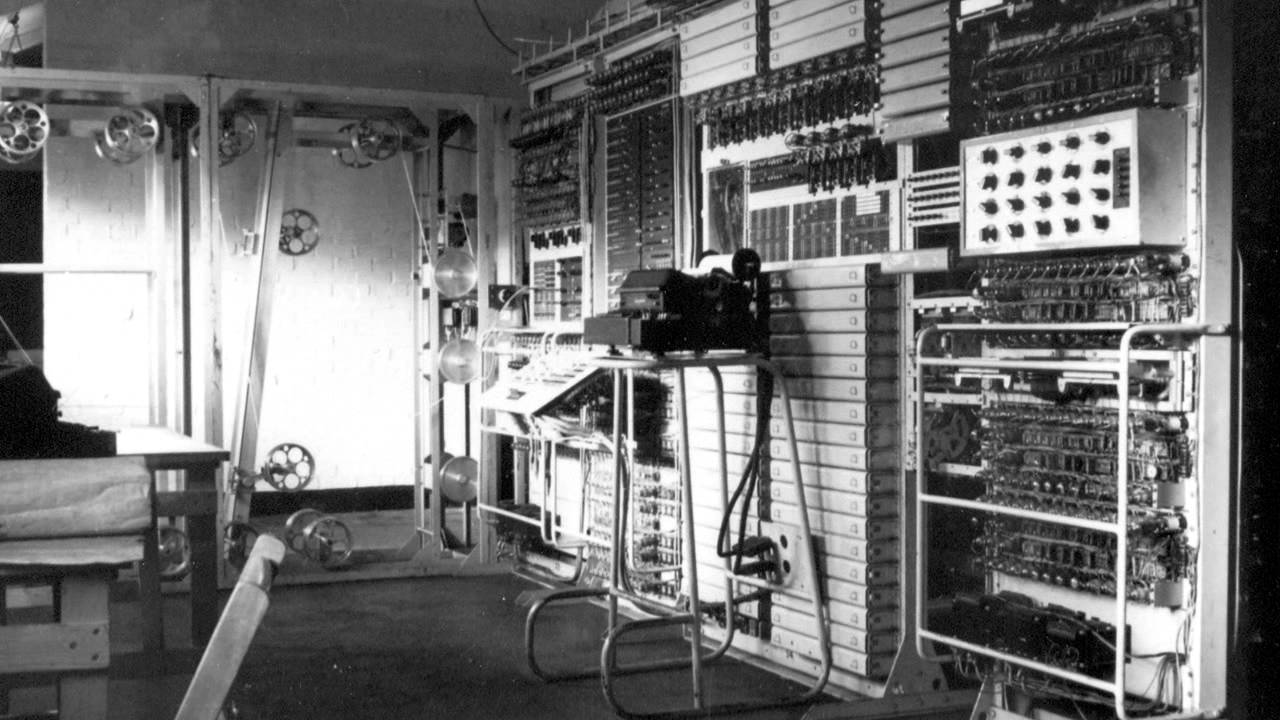
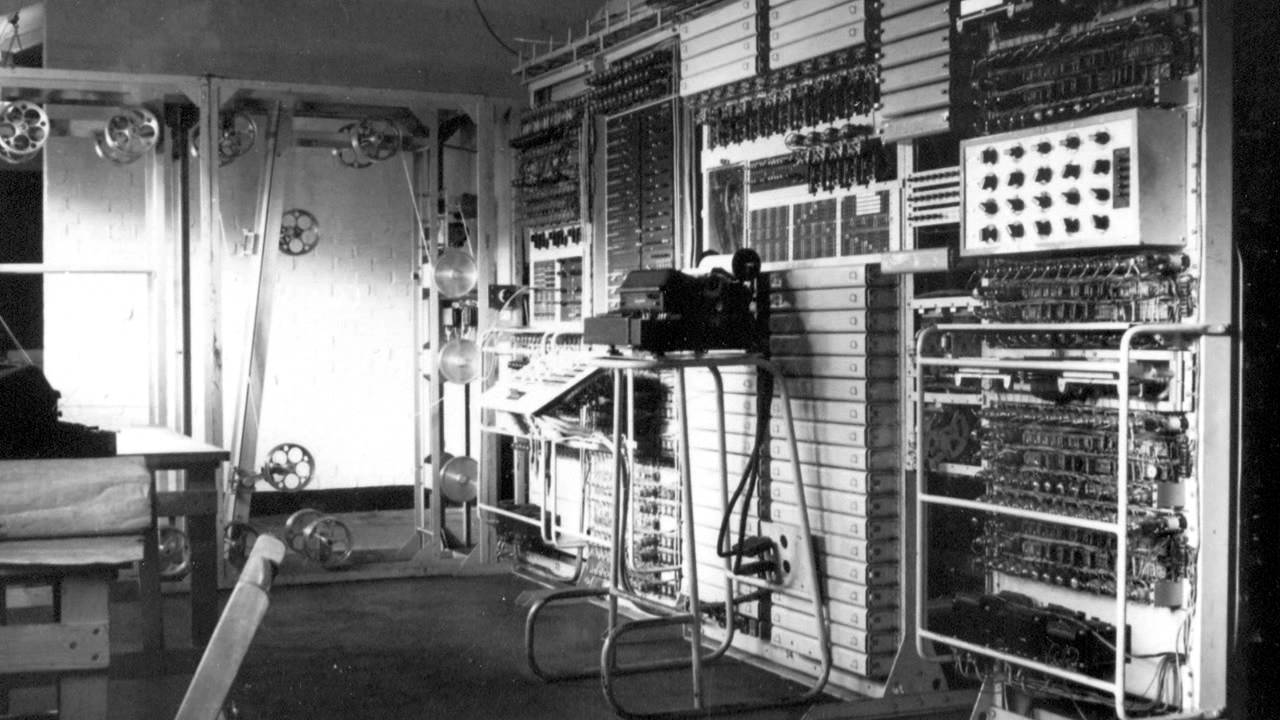
During World War II the British intercepted two very different types of encrypted German military transmissions: Enigma, broadcast in Morse code, and then from 1941 the less-well-known “Fish” transmissions, based on electric teleprinter technology. The most important source of Fish messages was a German cipher machine that the British code-named “Tunny.” Tunny was the Schlüsselzusatz (SZ) cipher attachment, manufactured by Berlin engineering company C. Lorenz AG. Tunny sent its messages in binary code—packets of zeroes and ones resembling the binary code used inside present-day computers.Tunny encrypted top-level messages from Hitler and his army high command in Berlin. The messages went by radio to the field marshals and generals fighting at the battlefronts in Europe and North Africa. After a lengthy struggle, British code breakers broke the new cipher in 1942, and it was soon realized that Tunny rivaled, or even exceeded, Enigma in importance. Colossus was built to carry out a fundamental stage of the Tunny code-breaking process—at electronic speed.

Made by Nikola Novoselski and Vasil Nikolov

Map About us